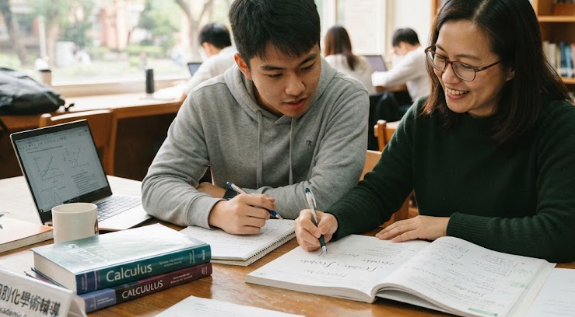
1. 個別化學習輔導 (Academic Support)
針對學生在正規課堂上跟不進度或有特殊需求時提供的協助。
Assistance provided for students who are falling behind in regular class
progress or who have special needs.
Office Hours: Teachers keep fixed time on campus so students can consult one-on-one about grammar, pronunciation, or homework difficulties. 小組補救教學: 針對進度落後或特定弱點(如:寫作障礙、聽力瓶頸)的學生開設加強班。
Small-Group Remedial Teaching: Reinforcement classes for students who are behind schedule or have specific weaknesses (e.g., writing difficulties, listening bottlenecks). 檢定衝刺輔導: 針對 TOCFL 或 HSK 檢定,提供模擬試題解析、答題技巧指導。
Test-Prep Coaching: For TOCFL or HSK proficiency tests, providing mock exam analysis and test-taking skills guidance.
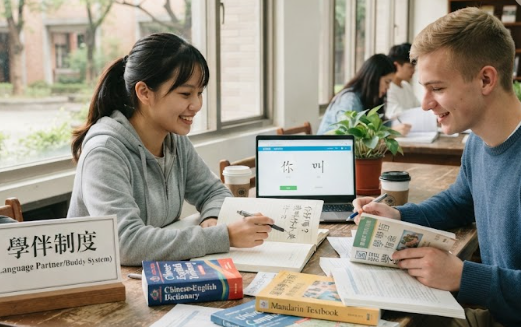
2. 學伴制度 (Language
Partner / Buddy System)
這是最受學生歡迎的輔導方式,通常由校內本地學生擔任學伴。
This is the most popular form of support among students, typically with local
students serving as language partners.
Language Exchange: Through informal conversation, increasing opportunities for international students to speak Mandarin, while local students also get to practice a foreign language. 文化導師: 學伴協助外籍生處理生活雜事(如:辦手機卡、租房、看醫生),幫助其快速融入在地生活。
Cultural Mentor: Language partners help international students handle daily life matters (e.g., getting a phone SIM card, renting an apartment, seeing a doctor), helping them integrate into local life more quickly.
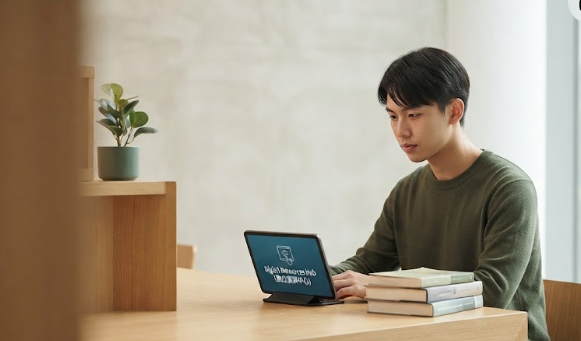
3. 多元學習資源與空間 (Diverse Learning Resources and Spaces)
提供自主學習的環境與工具,讓學習不侷限於教室。
Providing environments and tools for self-directed learning, so learning
isn't limited to the classroom.
Self-Study Center and Multimedia Classrooms: Offering various Chinese reading materials, digital learning software, and pronunciation-correction systems. 線上諮詢平台: 建立 TEAMS 或 LINE 群組,讓學生隨時能與老師或助教互動,解答即時性問題。
Online Consultation Platform: Setting up TEAMS or LINE groups so students can interact with teachers or teaching assistants anytime to get immediate questions answered.
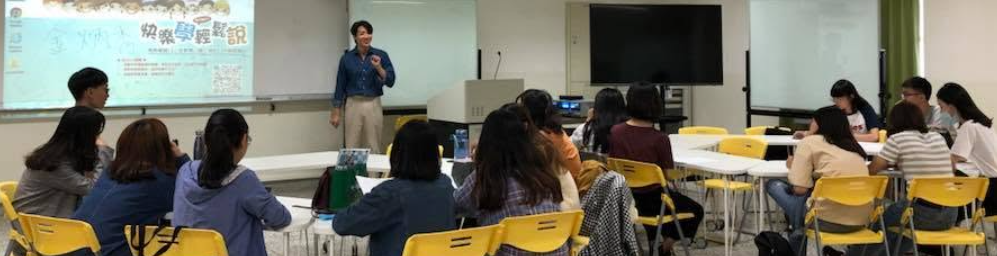
4. 心理與生活適應輔導 (Counseling & Adaptation)
語言學習與心理狀態息息相關,中心通常會配置相關支援:
Language learning is closely tied to psychological well-being, so centers
typically provide related support:
Culture Shock Adaptation: Holding seminars to help students understand local culture (e.g., Taiwanese social customs, trash sorting/recycling rules), reducing feelings of frustration. 定期訪談(Student Check-ins): 行政人員或導師定期與學生面談,關心其出席狀況、健康情形與學習動力。
Regular Check-ins: Administrative staff or advisors regularly meet with students to check on their attendance, health, and learning motivation.